Published on9 de October de 2026
Bats in the House
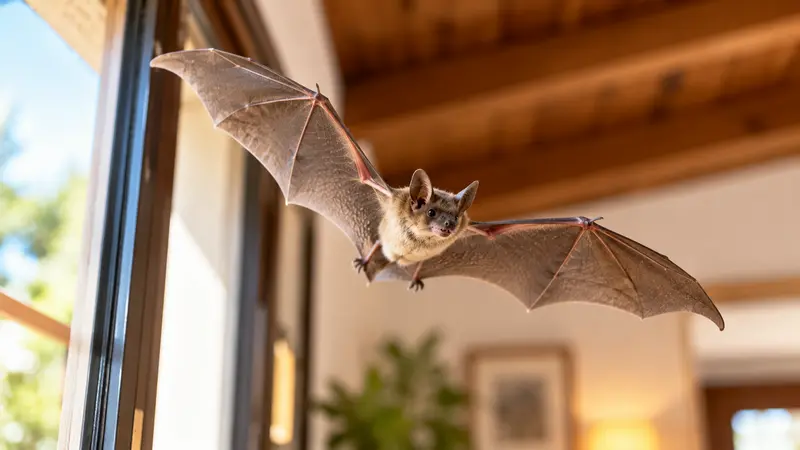
Finding bats in your home can be worrying, especially when they appear in bedrooms, ceilings, roller shutter boxes, attics, or suspended ceilings. Although these animals play an important role in maintaining the natural balance of ecosystems, their presence inside a home can cause problems and requires careful handling.
If you’re wondering what to do if you have bats in your home, the first step is to stay calm, avoid touching them, and determine how they entered the property. Preventive measures can help reduce accidental entry, while specialist solutions can help manage their presence without harming them.
In this guide, we explain why bats enter homes, how to respond safely, and what you should know about ultrasonic bat repellent devices.
Why Do Bats Enter Homes?
Bats typically seek quiet, sheltered places with suitable conditions for resting or roosting.
Sometimes, they may accidentally enter a home through open windows, ventilation ducts, or small openings.
Common places where bats may be found include:
-
Attics, lofts, and suspended ceilings.
-
Roller shutter boxes and gaps in exterior walls.
-
Cracks and joints in buildings.
-
Garages and storage rooms.
-
Spaces beneath roofs and roof coverings.
-
Rooms with windows left open at night.
Their presence does not necessarily mean there is a colony. A single bat may have entered accidentally, while repeated sightings of several bats could indicate that they are using part of the building as a roost.
What Should You Do If You Find a Bat Inside Your Home?
If you discover a bat in a room, it is important to remain calm and avoid any direct contact.
1. Stay Calm and Do Not Try to Catch It
Bats generally avoid contact with humans. You should never chase, strike, or attempt to catch them with your bare hands.
Keep children and pets away and avoid sudden movements.
2. Isolate the Room
Close interior doors to prevent the bat from entering other areas of the house.
If there has been no possible contact with people or pets, you can help the bat find its way outside by opening a window and keeping the exit route clear, provided it is safe to do so.
3. Do Not Use Insecticides or Toxic Products
Bats are protected animals in Spain. Poisons, glue traps, and any methods that could injure them must not be used.
Applying chemical products to areas where bats roost is also not recommended.
4. Contact Professionals When Necessary
If the bat is injured, remains motionless, cannot find its way outside, or is located in a difficult-to-reach area, contact your local wildlife protection services.
Important: If someone has been bitten, scratched, or potentially exposed to a bat while sleeping, seek urgent medical advice. Do not release or handle the animal until you have received instructions from the relevant health authorities.
Is It Dangerous to Have Bats in Your Home?
Most bats do not pose a danger when they are left undisturbed and handled appropriately by trained professionals.
Furthermore, many species feed on insects and help maintain ecological balance.
However, their presence inside a home can lead to certain problems:
-
Accumulation of droppings in frequently used roosting areas.
-
Noise disturbances in ceilings or walls.
-
Unpleasant odors associated with established colonies.
-
Potential accidental contact with people or pets.
-
The need to clean and restore affected areas.
The main health concern following direct contact is possible exposure to rabies viruses, although this does not mean that all bats are infected.
How to Prevent Bats from Entering Your Home
Prevention is one of the most important measures for reducing the likelihood of bats entering residential properties.
Check Windows and Entry Points
Installing insect screens and ensuring that windows close properly can help prevent accidental entry.
Inspect Cracks and Gaps
It is advisable to inspect joints, roofing, ventilation ducts, and other potential access points.
Before sealing any opening, it is essential to make sure that no bats are roosting inside. If a colony is present, the relevant authorities should be consulted.
Keep Your Property Well Maintained
Regular maintenance of roofing, roller shutters, and exterior building elements helps identify damage and potential entry points.
Seek Professional Advice
If bats appear repeatedly, a professional assessment is recommended to identify their roosting areas and determine which measures are legally permitted.
Bats in the Roof, Attic, or Roller Shutter Box: What Should You Do?
Finding bats in the roof or inside a roller shutter box is different from discovering a single bat in a room.
These spaces may serve as temporary roosts or provide shelter for breeding colonies.
For this reason, entry points should not be sealed, roosts should not be dismantled, and devices intended to drive bats away should not be installed without a prior assessment.
In Catalonia, the Rural Agents (Agents Rurals) can provide guidance on how to proceed when protected wildlife is found in buildings.
Do Ultrasonic Bat Repellents Work?
Ultrasonic devices emit high-frequency sound waves designed to influence the behavior of certain animals.
In the case of bats, some studies have observed avoidance responses to specific specialized acoustic systems.
However, these devices do not replace the identification of entry points, preventive measures, or legally authorized interventions when a protected bat colony is present.
Diamond Bell® DB-06 Ultrasonic Repellent: Features and Benefits
The Diamond Bell® DB-06 is an electronic device designed to deter various animals considered problematic in residential and professional environments.
It uses DB ultrasonic technology and is intended to deter rats, mice, cockroaches, squirrels, and bats without the need for pesticides.
Main Benefits of the Diamond Bell® DB-06
Advanced Ultrasonic Technology
Uses high-frequency sound emissions as a deterrent method, eliminating the need for direct chemical applications.
No Pesticides or Toxic Substances
Does not require spraying insecticides or using chemical baits. This can be particularly convenient for those looking to reduce the use of such products indoors.
Discreet Operation
Designed to operate without producing odors, using ultrasonic emissions that are generally inaudible to humans.
Easy Installation
Its plug-in design allows it to be connected directly to a standard electrical outlet without any installation work or structural modifications.
Advertised Coverage of Up to 550 m²
Offers a claimed maximum coverage area of 550 m², making it suitable for homes, offices, warehouses, and other spaces.
No Regular Replacements Required
As an electronic device, it does not require replacement baits or cartridges. It has an estimated service life of up to 10 years.
LED Status Indicator
Features an LED indicator that allows users to visually check the device’s operating status.
Designed and Manufactured in Spain
Diamond Bell is designed and manufactured in Spain.
Is the Diamond Bell® DB-06 Recommended If You Have Bats?
The Diamond Bell® DB-06 is an ultrasonic solution designed to deter various animal species.
If bats are roosting inside a building, any measures intended to displace them should first be discussed with the relevant wildlife protection authorities.
How to Deal With Bats in Your Home
If you have bats in your home, the best approach begins with determining whether you are dealing with an accidental entry or an established roost.
Avoiding direct contact, inspecting potential entry points, and seeking professional advice when necessary are essential steps to protect both the occupants of the property and the bats themselves.
Ultrasonic devices, such as the Diamond Bell® DB-06, offer a commercially available, pesticide-free deterrent option marketed as having demonstrated effectiveness against certain species.
Prevention and responsible action are the best ways to keep your home protected.