Published on9 de October de 2026
Bats in the House
What Should You Do and How Can You Keep Them Out?
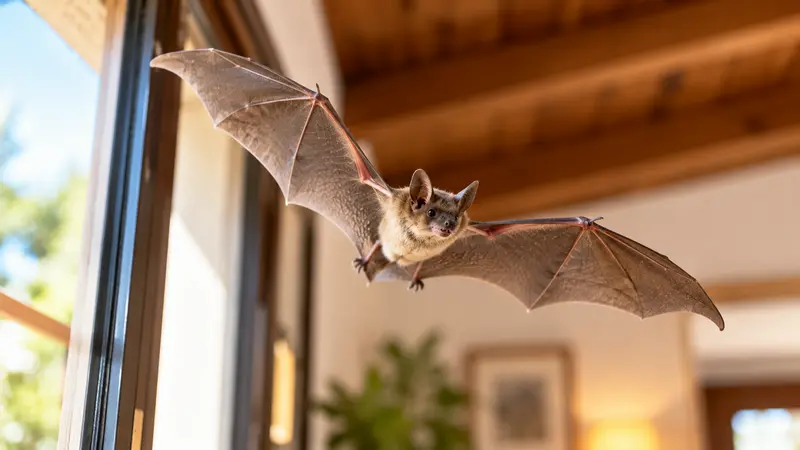
Finding bats in your home can be worrying, especially when they appear in bedrooms, ceilings, roller shutter boxes, attics or ceiling voids. Although these animals play an important role in maintaining the natural balance of ecosystems, their presence inside a home can cause concern and should be handled with care.
If you’re wondering what to do if you have bats in your house, the first step is to stay calm, avoid touching them and determine how they entered the property. Preventive measures can help reduce accidental entry, while specialist solutions can help manage their presence without harming them.
In this guide, we explain why bats enter homes, how to respond safely and what you should know about ultrasonic repellent devices.
Why Do Bats Enter Houses?
Bats generally seek quiet, sheltered places that provide suitable conditions for resting or roosting.
Sometimes, they accidentally enter homes through open windows, ventilation ducts or small openings.
Common places where bats may be found include:
- Attics, lofts and ceiling voids.
- Roller shutter boxes and gaps in exterior walls.
- Cracks and joints in buildings.
- Garages and storage rooms.
- Spaces beneath roofs and roof coverings.
- Rooms with windows left open at night.
Finding a bat does not necessarily mean there is a colony in your home. A single bat may have entered accidentally, while repeated sightings of several bats could indicate that they are using part of the building as a roost.
What Should You Do If You Find a Bat Inside Your House?
If you discover a bat in a room, it is important to remain calm and avoid any direct contact.
- Stay Calm and Do Not Try to Catch It
Bats generally avoid contact with humans. Do not chase, strike or attempt to pick one up with your bare hands.
Keep children and pets away and avoid sudden movements.
- Isolate the Room
Close interior doors to prevent the bat from entering other parts of the house.
If there has been no possible contact with people or pets, you may be able to help the bat find its way outside by opening a window and keeping the exit route clear, provided it is safe to do so.
- Do Not Use Insecticides or Toxic Products
Bats are protected animals in Spain. Poisons, glue traps and methods that could injure them must not be used.
Applying chemicals in areas where bats roost is also not recommended.
- Contact Wildlife Professionals When Necessary
If the bat is injured, remains motionless, cannot find its way out or is located somewhere difficult to access, contact the appropriate wildlife protection services.
Important: If someone has been bitten or scratched, or if there may have been contact with a bat while someone was sleeping, seek urgent medical advice. Do not release or handle the animal until you have received instructions from the relevant health authorities.
Is It Dangerous to Have Bats in Your House?
Most bats pose little risk when left undisturbed and observed from a safe distance.
Many species also feed on insects and play an important role in maintaining healthy ecosystems.
However, their presence inside a home can cause certain problems:
- Accumulation of droppings in frequently used roosting areas.
- Disturbing noises in ceilings or walls.
- Unpleasant odours associated with established colonies.
- The possibility of accidental contact with people or pets.
- The need to clean and restore affected areas.
The main health concern following direct contact is potential exposure to rabies viruses, although this does not mean that all bats are infected.
How to Prevent Bats from Entering Your Home
Prevention is one of the most effective ways to reduce the likelihood of bats entering residential properties.
Check Windows and Entry Points
Installing insect screens and ensuring that windows close properly can help prevent accidental entry.
Inspect Cracks and Gaps
Check joints, roofing, ventilation ducts and other potential entry points.
Before sealing any opening, it is essential to make sure that no bats are roosting inside. If a colony is present, consult the relevant authorities before taking action.
Keep Your Property Well Maintained
Regular maintenance of roofs, roller shutters and exterior structures can help identify damage and potential access points.
Seek Specialist Advice
If bats repeatedly appear in your home, it is advisable to arrange a professional assessment to identify roosting sites and determine which measures are legally permitted.
Bats in the Roof, Attic or Roller Shutter Box: What Should You Do?
Finding bats in your roof or roller shutter box is different from discovering a single bat inside a room.
These spaces may serve as temporary shelters or provide roosting sites for breeding colonies.
For this reason, entry points should not be sealed, roosts dismantled or deterrent devices installed without a prior assessment.
In Catalonia, the Rural Agents (Agents Rurals) can provide guidance on how to proceed when protected wildlife is found in buildings.
Do Ultrasonic Bat Repellents Work?
Ultrasonic devices emit high-frequency sounds intended to influence the behaviour of certain animals.
In the case of bats, some studies have observed avoidance responses to specific specialised acoustic systems. However, results vary depending on the species, frequencies used and environmental conditions.
This means that not all ultrasonic repellents have demonstrated effectiveness against bats, particularly in domestic settings.
These devices are not a substitute for identifying entry points, implementing preventive measures or following legally authorised procedures when a protected bat colony is present.
Diamond Bell® DB-06 Ultrasonic Repellent: Features and Benefits
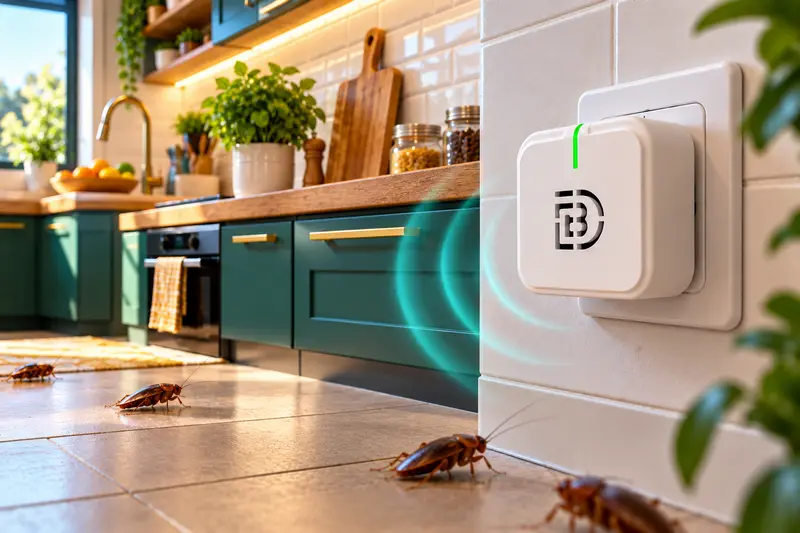
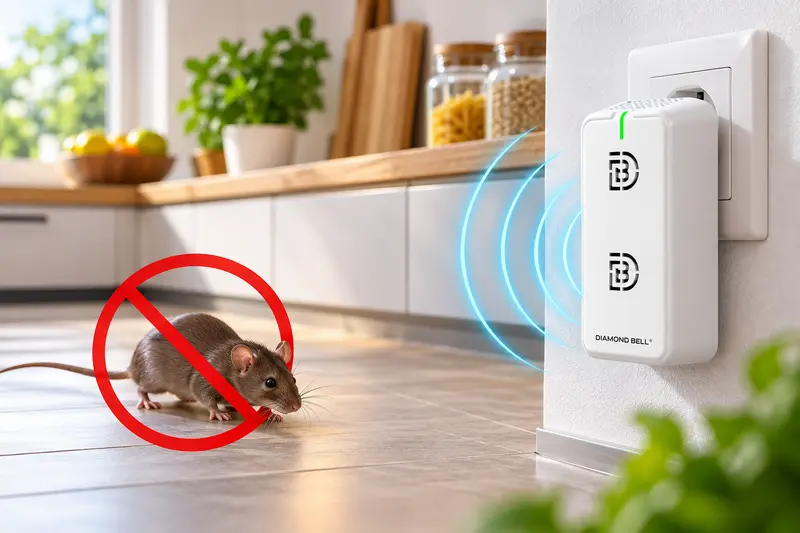
The Diamond Bell® DB-06 is an electronic device designed to deter various animals that may cause problems in homes and commercial premises.
According to the manufacturer’s specifications, it uses advanced DB ultrasonic technology and is intended to deter rats, mice, cockroaches, squirrels and bats without the need for pesticides.
Main Benefits of the Diamond Bell® DB-06
Advanced Ultrasonic Technology
The device uses high-frequency sound emissions as a deterrent method, avoiding the direct application of chemical products.
No Pesticides or Toxic Substances
It does not require insecticide sprays or chemical baits. This may be particularly convenient for people looking to reduce the use of such products indoors.
Discreet Operation
The device is designed to operate without producing odours, using ultrasonic emissions that are normally inaudible to humans.
Easy Installation
Its plug-in design allows it to be connected directly to a wall socket, with no installation work required.
Advertised Coverage of Up to 550 m²
The manufacturer states that the device can cover areas of up to 550 m², making it suitable for consideration in homes, offices, warehouses and other premises. Actual coverage will depend on the conditions of the space and requires verification.
No Regular Replacement Parts
As an electronic device, it does not require replacement baits or cartridges. The manufacturer estimates a service life of up to 10 years.
LED Status Indicator
An integrated LED indicator allows users to check the device’s operating status at a glance.
Designed and Manufactured in Spain
According to the product information provided, the device is designed and manufactured in Spain.
Is the Diamond Bell® DB-06 Recommended If You Have Bats?
The Diamond Bell® DB-06 is marketed as an ultrasonic solution for deterring several animal species.
However, independent tests specifically demonstrating the DB-06’s effectiveness against bats have not been provided here, so it cannot be guaranteed to drive bats away from a property.
Furthermore, the absence of chemicals does not automatically mean that the device is harmless to all pets, particularly animals that are sensitive to high-frequency sounds.
If bats are roosting inside a building, any measures intended to displace them should first be discussed with the relevant wildlife protection authorities.
Conclusion: What to Do If You Have Bats in Your Home
If you discover bats in your home, the best approach is to determine whether they have entered accidentally or are using part of the building as an established roost.
Avoiding direct contact, checking potential entry points and seeking specialist advice when necessary are essential steps to protect both the occupants of the property and the bats themselves.
Ultrasonic devices such as the Diamond Bell® DB-06 offer a commercially available, pesticide-free approach to deterring certain animal species. However, their specific effectiveness against bats in residential settings must be verified, and their use must not compromise the legal protection afforded to these animals.
Prevention and responsible action are the best ways to keep your home protected.