Published on6 de November de 2026
Autumn Pests
Autumn pests become a common concern as temperatures begin to drop and insects and rodents look for warmth and shelter indoors. Mice, cockroaches, ants and other unwanted visitors are attracted by the warmth, moisture and food available in our homes, often settling in kitchens, garages, storage rooms and hard-to-reach corners. Understanding which pests are most common during this season and how to prevent them is essential for keeping your home protected. Discover practical tips to stop pests from entering your property and explore additional preventive options, including electronic pest repellers.
Insects and Rodents Seeking Shelter in Your Home
As autumn arrives, temperatures fall, rainfall increases and many insects and rodents begin searching for sheltered places where they can find food and protection. Pantries, kitchens, garages, basements and ceiling voids can become attractive hiding places for these unwelcome guests.
Although pest problems are often associated with summer, autumn is also an important time to focus on prevention. Mice, cockroaches and other small creatures can take advantage of cracks, poorly sealed windows and gaps around pipes or cables to enter our homes.
Do you know which pests are most common during this season and how to prevent them from settling in your property? Discover the warning signs to look out for and the steps you can take to protect your home.
Why Do Household Pest Problems Increase in Autumn?
As outdoor temperatures begin to fall, some species change their behaviour and seek more favourable environments.
Our homes provide three essential things for their survival:
- Stable temperatures: Indoor spaces offer protection from cold weather and damp conditions.
- Available food: Food scraps, pantries and household waste can attract insects and rodents.
- Shelter: Spaces behind appliances, ceiling voids, cracks and storage rooms provide convenient hiding places.
Autumn rainfall can also encourage certain insects to move indoors in search of drier surroundings.
Taking preventive action before pests find their way inside is therefore one of the best strategies for reducing the risk of an infestation.
5 Common Pests That May Enter Your Home in Autumn
- Mice: Small Visitors Looking for Warmth
Mice are among the rodents that cause the greatest concern when colder weather arrives. Their small size allows them to squeeze through surprisingly narrow openings and gain access to homes.
Once inside, they may settle behind furniture, in storage areas, ceiling voids or rarely used spaces.
Signs that you may have mice in your home:
- Scratching noises during the night.
- Small droppings in cupboards or pantries.
- Gnawed food packaging.
- Bite marks on materials and electrical cables.
- Shredded materials used for nesting.
How can you prevent mice from entering?
Inspect external entry points, seal cracks and gaps, store food in airtight containers and avoid accumulating unnecessary clutter.
Prevention is particularly important because mice can reproduce quickly when conditions are favourable.
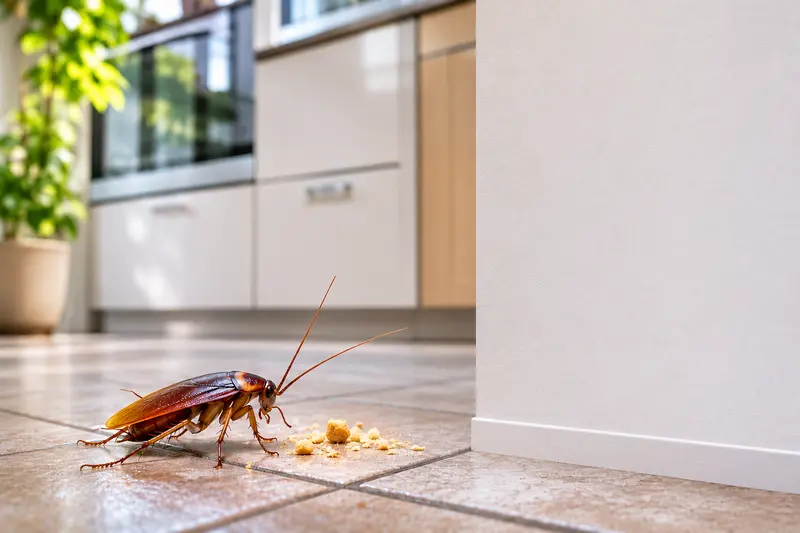
- Cockroaches: Your Kitchen Could Be Their Perfect Hideaway
Although cockroaches are usually associated with warm weather, they can remain active throughout autumn, especially inside heated buildings.
Kitchens, bathrooms, utility rooms and damp areas are among their preferred hiding places.
What attracts cockroaches?
The main attractions are water, food and suitable hiding spots.
To reduce their presence, clean up food scraps, repair leaking pipes, check drains and prevent waste from accumulating.
If you regularly see several cockroaches during the day, this could indicate an infestation requiring a more thorough inspection.
- Ants: Tiny Invaders Searching for Food
Some ant species remain active during autumn, particularly in regions with mild climates or inside buildings.
Kitchens and pantries are especially attractive when food is easily accessible.
Tips for preventing ants:
- Clean up food scraps immediately.
- Store sugary foods in sealed containers.
- Seal cracks and gaps used as entry points.
- Avoid leaving pet food out overnight.
- Identify and monitor the routes ants use to enter your home.
Spotting the first signs of ant activity makes it easier to take action before their presence becomes a recurring problem.
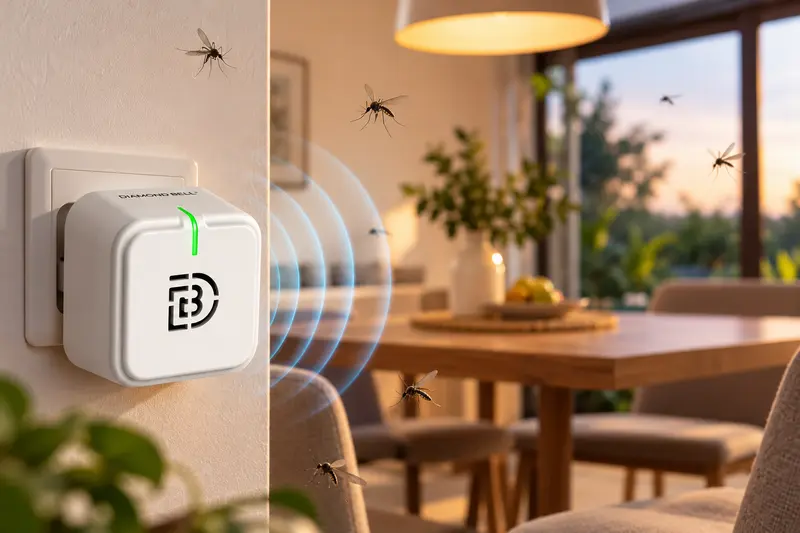
- Mosquitoes: Are They Still Around in Autumn?
Yes. Although mosquito activity generally decreases as temperatures fall, mosquitoes can remain active during part of the autumn in regions with milder weather.
Rainfall can also create small pools of standing water where certain mosquito species find suitable breeding conditions.
To reduce mosquito activity, remove standing water from plant pots, containers and gutters, install insect screens and check potential entry points.
- Spiders and Other Insects Looking for Shelter
During autumn, it is also common to notice spiders, shield bugs and other small arthropods inside homes.
Not all of these creatures are pests or require specific treatment. Many spiders, for example, help control other insect populations naturally.
However, if their presence becomes excessive, it is worth checking windows, doors, gaps and cluttered areas.
How to Prevent Autumn Pests: 6 Practical Tips
The best way to protect your home is to eliminate the conditions that attract pests and make it more difficult for them to enter.
- Seal potential entry points. Inspect doors, windows, pipes and cracks. Install draught excluders and protective mesh where necessary.
- Keep your kitchen clean. Avoid leaving crumbs, food scraps or rubbish exposed overnight.
- Control moisture. Repair leaks and ventilate areas prone to condensation.
- Organise garages and storage rooms. Reduce the accumulation of cardboard boxes, packaging and other materials that could provide shelter.
- Regularly inspect hidden areas. Check pantries, kitchen cupboards and spaces behind appliances for signs of pest activity.
- Consider different prevention methods. Physical barriers, good hygiene and monitoring for signs of pest activity are essential. Electronic devices are also marketed as supplementary solutions for managing certain household pests.
Electronic Pest Repellers: A Pesticide-Free Alternative
There is a growing range of products available for people who want to avoid regularly applying sprays, insecticides or other chemical treatments inside their homes.
These include electronic pest repellers, which use technologies such as ultrasound or electromagnetic signals with the aim of deterring certain pest species.
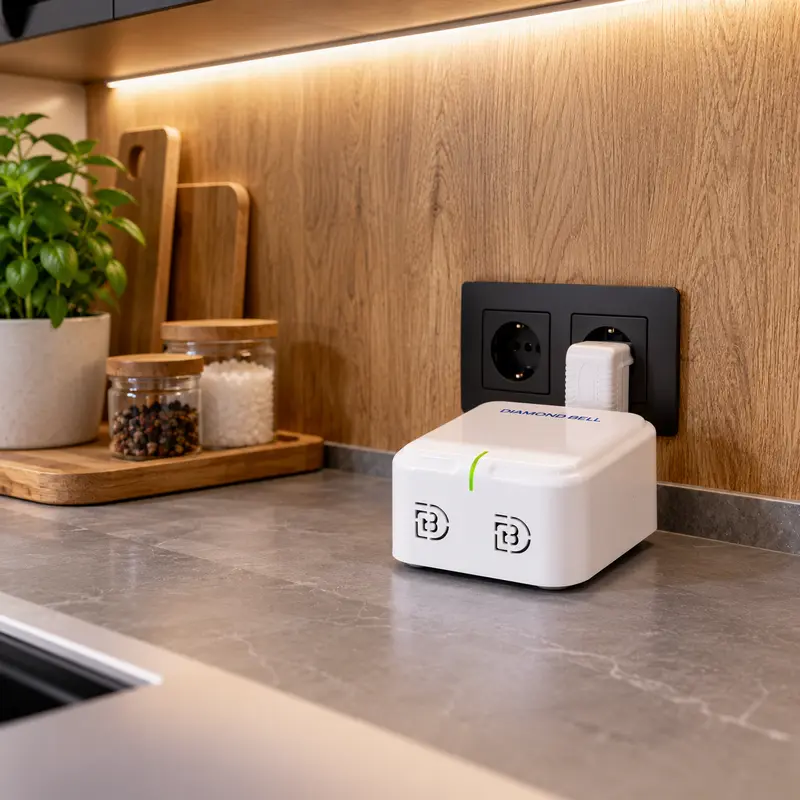
One practical advantage of these devices is that they do not require chemicals to be sprayed into the air. Some models simply plug into a standard electrical socket.
However, it is important to understand their limitations. Scientific research has not consistently demonstrated that commercially available ultrasonic pest repellers are effective against common household pests. They should therefore not replace preventive measures or professional pest control when an infestation is present.
Diamond Bell DB-05: Electronic Technology for Your Home
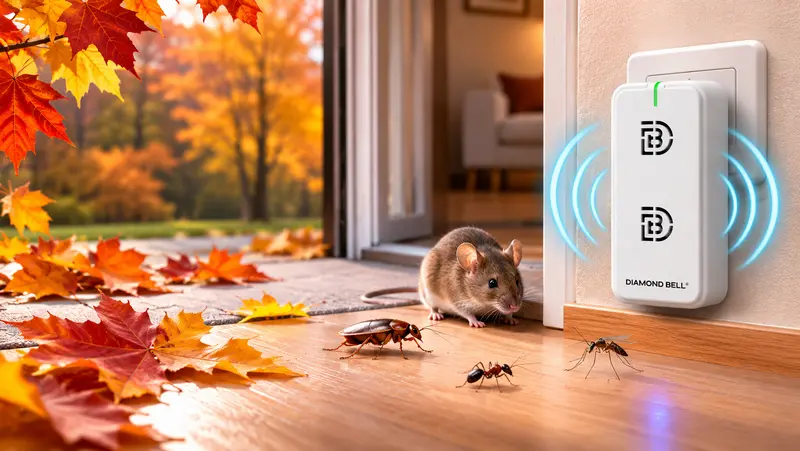
The Diamond Bell DB-05 Electronic Pest Repeller is a device designed and manufactured in Spain that combines two electronic technologies in a single unit.
According to the manufacturer’s specifications, it features:
- DB Ultrasonic Technology, intended for mice, cockroaches and mosquitoes.
- DB Electromagnetic Technology, designed for ants.
This combination provides a single device marketed for several types of common household pests.
What Are the Benefits of the Diamond Bell DB-05?
Chemical-Free and Pesticide-Free Operation
The device operates electronically and does not require aerosol sprays, poisonous baits or chemical substances to function.
This makes it an appealing option for people who prefer to avoid dispersing these products throughout their indoor living spaces.
Quiet and Odour-Free Operation
The Diamond Bell DB-05 is designed to operate without producing noticeable noise during normal use or releasing unpleasant odours.
It can therefore be installed in domestic environments without disrupting everyday activities.
Easy Installation
No building work or complicated installation is required.
Simply plug the device into a suitable wall socket and follow the manufacturer’s positioning instructions.
No Replacement Cartridges Required
Unlike systems that rely on liquids, tablets or replaceable cartridges, the Diamond Bell DB-05 does not require regular consumables.
This makes it a convenient, low-maintenance electronic device.
Low Energy Consumption
With a stated power rating of 7 W, the device is designed for continuous operation.
Its LED indicator allows you to check that the unit is receiving electrical power.
Designed and Manufactured in Spain
According to the manufacturer, the Diamond Bell DB-05 has an estimated service life of 10 years and comes with a five-year commercial warranty.
What Area Can the Diamond Bell DB-05 Cover?
Diamond Bell specifies the following maximum coverage areas depending on the type of pest:
| Pest Type | Advertised Maximum Coverage |
| Mice | Up to 150 m² |
| Cockroaches | Up to 150 m² |
| Ants | Up to 250 m² |
| Mosquitoes | Up to 40 m² |
These figures are based on the manufacturer’s specifications and do not guarantee pest-repelling effectiveness.
Room layouts, furniture and walls may restrict the transmission of ultrasonic waves.
Where Should You Place the Diamond Bell DB-05?
The manufacturer recommends installing the device in the room you wish to protect, using a wall socket and keeping the area directly in front of the unit free from obstructions.
For mosquitoes, the recommended installation height is between one and two metres above the floor.
For ants, the manufacturer’s instructions include specific considerations relating to the property’s electrical installation and electrical phases.
If you keep hamsters, guinea pigs or other small pet rodents, avoid placing ultrasonic devices near their living areas, as the sound may cause them discomfort.
Frequently Asked Questions About Autumn Pests
What Are the Most Common Pests in Autumn?
This depends on the geographical location and climate.
Mice may seek shelter inside buildings, while cockroaches, ants and some mosquitoes can remain active indoors or in regions with mild autumn temperatures.
Why Do Mice Enter Homes When the Weather Gets Colder?
Homes provide shelter, food and relatively stable temperatures.
Mice can take advantage of very small openings to gain access to buildings.
How Can I Prevent Cockroaches from Entering My Home?
Removing food scraps, reducing moisture, repairing water leaks and sealing entry points are essential preventive measures.
If an infestation is already present, professional pest control treatment may be necessary.
Do Electronic Pest Repellers Eliminate Pests?
This should not be assumed.
Although these devices are marketed for pest control, the available evidence regarding household ultrasonic and electromagnetic repellers is limited and often does not support their effectiveness.
If used, they should be considered supplementary devices rather than replacements for established pest control methods.
When Should I Contact a Pest Control Professional?
Professional assistance is recommended when there are persistent signs of rodents, large numbers of cockroaches, property damage or an infestation that does not improve after preventive measures have been implemented.
Prepare Your Home Before Autumn Pests Arrive
Autumn is the ideal time to inspect vulnerable areas of your property and take preventive action before insects and rodents find their way inside.
Maintaining good hygiene, controlling moisture, storing food securely and sealing entry points are among the most effective ways to reduce the risk of pest problems.
If you are looking for an electronic device that operates without pesticides or replacement cartridges, the Diamond Bell DB-05 offers a convenient plug-in design, quiet operation and two technologies intended for different household pests.
Its practical features should be considered alongside the known limitations of electronic pest-repelling technology.
Diamond Bell: Electronic technology for those seeking pesticide-free alternatives for their homes.