Published on25 de September de 2026
How to Get Rid of Rats in Your Home
How to get rid of rats in your home effectively requires a combination of preventive and control measures. It is essential to store food securely, remove food scraps and sources of water, keep your home clean and tidy, and identify and seal any potential entry points. Complementary solutions, such as ultrasonic repellents, can also help keep rodents away without the use of chemicals. Combining good hygiene, preventive measures, and regular monitoring is key to reducing rat activity and preventing them from returning to your home.
Effective Methods to Keep Them Away
Finding a rat in your home is an unpleasant situation that should be dealt with as soon as possible. In addition to damaging furniture, electrical wiring, food, and even structural elements, rodents can contaminate surfaces and food storage areas.
To get rid of rats effectively, it is not enough to deal only with the ones you can see. It is important to identify how they are getting inside, what is attracting them, and what measures you can take to prevent them from returning.
In this guide, we explain how to detect the presence of rats, what you can do to keep them away, and how to prevent future infestations.
How Can You Tell If There Are Rats in Your Home?
Rats are mainly nocturnal animals, so they are not always easy to spot. However, they usually leave behind several recognizable signs.
Some of the most common signs include:
- Droppings in pantries, kitchens, garages, storage rooms, or rarely used areas.
- Noises at night coming from walls, suspended ceilings, or furniture.
- Gnawed food packaging.
- Teeth marks on wood, plastic, boxes, or electrical cables.
- Unpleasant or persistent odors in certain areas.
- Remnants of materials used to build nests.
- Footprints, smudges, or marks along areas where they regularly travel.
If you notice several of these signs, it is advisable to inspect your home carefully to identify possible entry points and areas with the highest level of activity.
Why Do Rats Enter Homes?
Rats are essentially looking for three things: food, water, and shelter.
A kitchen with easily accessible food, open garbage bags, pet food, or food scraps can provide an attractive food source. Garages, basements, storage areas, suspended ceilings, and rarely used spaces can provide suitable shelter.
It is also important to inspect possible entry points. Rats can take advantage of gaps around pipes, doors, drains, cracks, and other openings to enter a building.
For this reason, an effective strategy should combine measures to remove the things that attract rats and make it more difficult for them to enter.
- Remove Food Sources
The first step is to make your home less attractive to rodents.
Store cereals, flour, pasta, nuts, and other foods in tightly sealed containers. Avoid leaving food on kitchen counters overnight, and quickly clean up any crumbs or food scraps that fall onto the floor.
You should also pay particular attention to dog and cat food. Whenever possible, avoid leaving full pet food bowls out overnight.
Garbage should also be kept in securely closed containers.
- Keep Your Home Clean and Tidy
Rats prefer quiet areas where they can hide and build their nests.
Piles of boxes, paper, bags, and items that have been stored for long periods can provide ideal hiding places.
Keeping garages, storage rooms, warehouses, and other storage areas tidy and uncluttered makes it easier to detect signs of activity and reduces the number of potential hiding places.
- Identify and Seal Entry Points
One of the most important preventive measures is to stop rodents from gaining access to the interior of your home.
Pay particular attention to:
- Gaps around pipes and utility lines.
- Cracks and holes in walls.
- Doors that do not close properly.
- Basement and garage windows.
- Ventilation ducts.
- Areas around drains.
- Gaps where walls, roofs, and other structural elements meet.
Entry points should be sealed using strong materials that are appropriate for each surface.
This is particularly important because removing existing rats without addressing the points through which they enter may allow the problem to return.
- Reduce Water Sources
Rodents also need access to water.
Check for leaks in pipes, taps, and household appliances. You should also avoid allowing standing water to accumulate in patios, garages, or indoor areas.
Removing these water sources helps make the environment less suitable for rats.
- Use Methods to Keep Rodents Away
In addition to improving hygiene and blocking entry points, various systems can be used to help control or deter rodents.
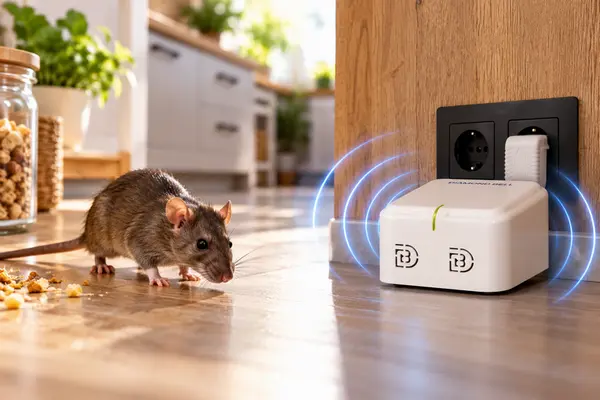
One option is ultrasonic repellents. These devices are designed to emit ultrasonic frequencies with the aim of creating an uncomfortable environment for certain pests without the use of pesticides or toxic substances.
This type of solution can be particularly appealing to people looking for an easy-to-install method that does not require the regular application of chemical products.
It is important to bear in mind that features, coverage, and results may vary depending on the device and the conditions of the area in which it is used.
- Monitor Areas Where Rats Commonly Appear
Once control measures have been implemented, it is advisable to continue checking areas where rat activity has previously been detected.
Look out for new droppings, gnawed packaging, noises at night, or any other signs of activity.
If signs of rats persist or there is a significant infestation, it may be necessary to contact a professional pest control service to identify the source of the problem and determine the appropriate measures to take.
How to Prevent Rats from Coming Back
Prevention is just as important as dealing with an existing infestation.
Maintaining good hygiene, storing food correctly, managing household waste properly, and regularly checking potential entry points can significantly reduce the likelihood of rodents establishing themselves in your home.
It is also advisable to inspect garages, storage areas, patios, and other less frequently used spaces, as these are often places where an infestation can begin without being immediately detected.
Diamond Bell® DB-06 Repellent: Ultrasonic Protection
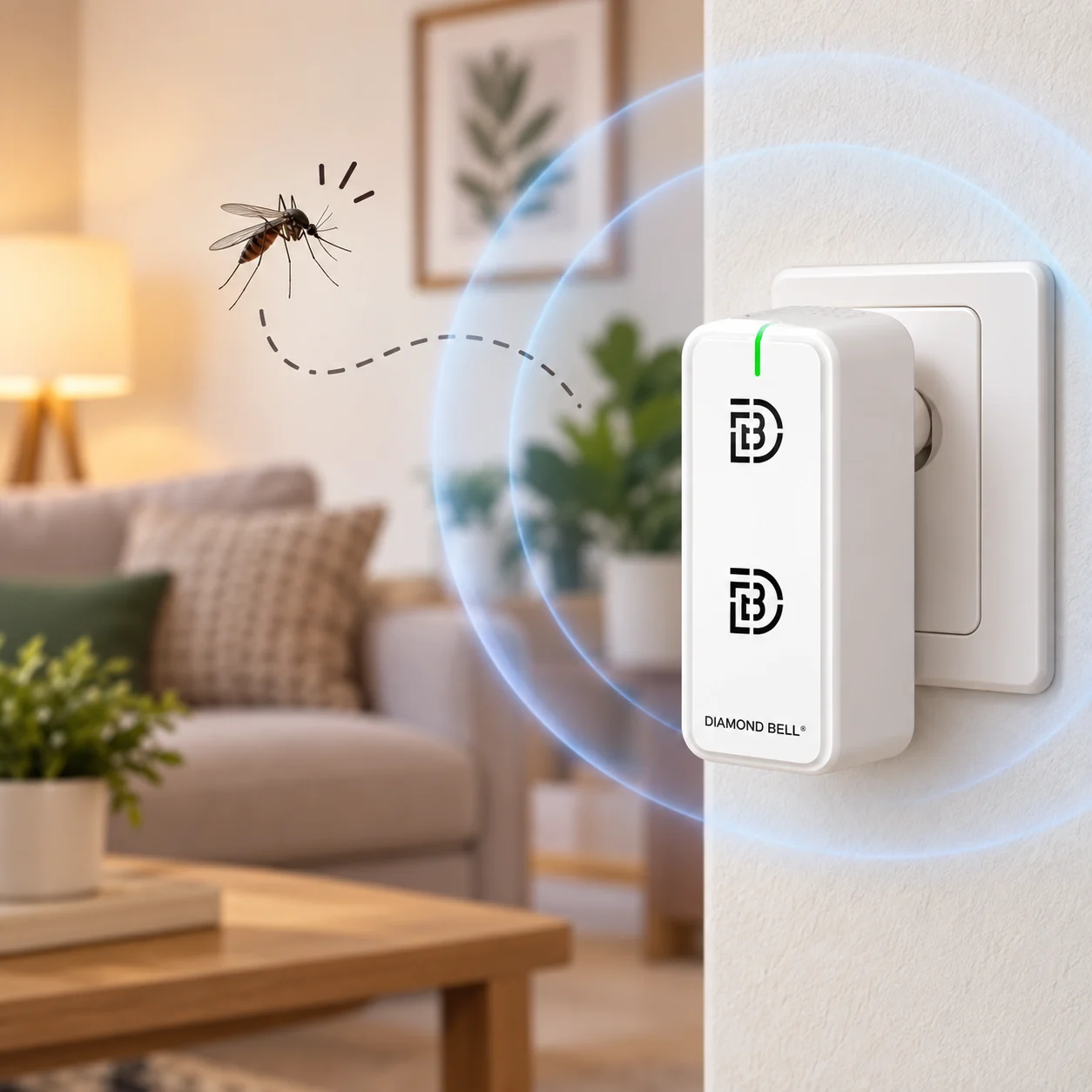
For those looking to complement these measures with a pesticide-free solution, the Diamond Bell® DB-06 Repellent uses DB ultrasonic technology designed to deter rats, mice, cockroaches, squirrels, and bats.
One of its main advantages is that it works without chemicals or pesticides, making it suitable for use in spaces occupied by people and pets.
It also operates silently and produces no odors, allowing it to be used continuously without disturbing sleep or normal day-to-day activities.
Key Features of the Diamond Bell® DB-06
Advanced DB ultrasonic technology. Designed to deter different types of pests, including rats, mice, cockroaches, squirrels, and bats, using ultrasonic technology without toxic substances.
Chemical-free. It does not require pesticides or chemical products, making it easier to use in homes with children and pets.
Silent and discreet operation. It produces no odors and is designed to operate without perceptible sounds that could interfere with rest or everyday activities.
No regular replacements required. It requires no consumables and has an estimated service life of up to 10 years, helping to reduce ongoing replacement costs.
Wide-area coverage. The DB-06 is designed for areas of up to 550 m², making it suitable not only for homes but also for larger spaces such as offices, warehouses, restaurants, and industrial facilities.
Easy installation. The device uses a wall plug: simply connect it to a power outlet to start using it.
LED indicator. An integrated LED indicator makes it easy to check the operating status of the device.
Designed and manufactured in Spain.
A Comprehensive Strategy for Dealing with Rats
For more comprehensive protection against rodents, it is advisable to combine several measures: keep food securely stored, eliminate potential water sources, reduce hiding places, seal entry points, and use systems designed to help keep pests away.
In this context, the Diamond Bell® DB-06 can be used as a complementary prevention and control measure, particularly in homes or large spaces where a continuously operating solution is desired without pesticides, odors, or the need for regular replacement parts.
Combining prevention, ongoing monitoring, and protection of the premises is an effective strategy for reducing the conditions that encourage rats to settle in and helping prevent them from becoming a recurring problem.