Published on13 de October de 2026
How to Get Rid of Ants
Knowing how to get rid of ants is essential for keeping your home clean, comfortable, and protected from these unwanted insects. Ants often enter homes in search of food, water, and shelter, particularly in kitchens, pantries, and damp areas. To prevent them from becoming a problem, it’s important to maintain good hygiene, store food in airtight containers, clean up crumbs and spills, and seal potential entry points. There are also several ways to repel ants, ranging from natural home remedies to targeted pest control and prevention solutions. Combining these methods can help reduce ant activity and prevent them from returning.
Effective Ways to Get Rid of Ants and Keep Them Away
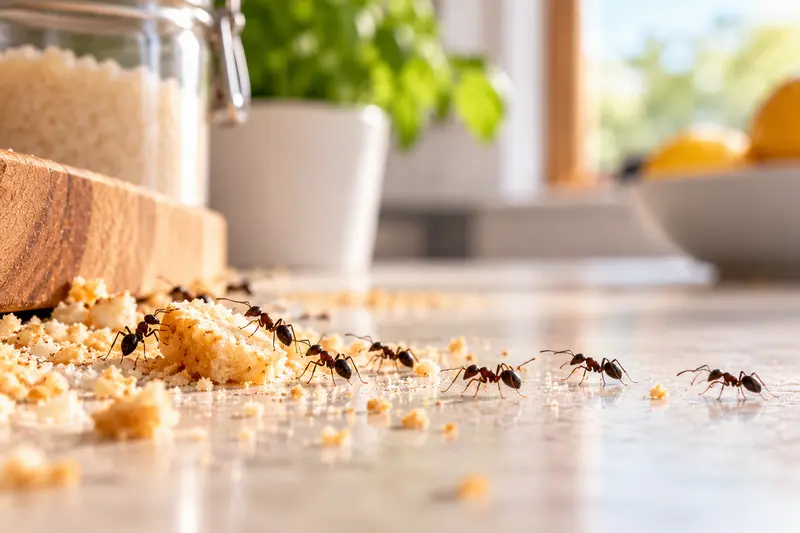
Ants are among the most common household pests, especially during spring and summer. Although they generally pose little danger, they can quickly become a nuisance when they invade your kitchen, pantry, or other areas of your home in search of food.
If you’re wondering how to get rid of ants in your house, there are several effective strategies to repel them, control their activity, and prevent future infestations.
In this guide, you’ll discover why ants enter your home, how to identify their entry points, which remedies you can try, and what preventive measures you can take to keep your home protected throughout the year.
Why Do Ants Come Into Your House?
Before looking for ways to eliminate ants, it’s important to understand what attracts them indoors.
Ants are social insects that live in highly organised colonies. When a scout ant discovers a food source, it may leave behind a pheromone trail that other ants can follow.
The main reasons ants enter homes include:
- Food scraps: Crumbs, sugar, honey, and other food residues can attract ants.
- Moisture: Some ant species seek water in kitchens, bathrooms, and damp areas.
- Cracks and gaps: Small openings around walls, windows, and doors provide easy access.
- Warm temperatures: Many ant species become more active during warmer months.
- Improper food storage: Open food packaging can provide a constant food source.
Identifying what is attracting ants is the first step towards finding an effective solution.
8 Effective Ways to Get Rid of Ants in Your Home
There are several ways to control ants, from simple cleaning habits to specialised pest control products. For the best results, it’s usually advisable to combine different methods.
- Keep Your Kitchen Clean and Free From Food Scraps
Maintaining a clean kitchen is one of the most effective ways to prevent ants from entering your home.
Regularly wipe down countertops, tables, and floors, especially after preparing or eating meals. Pay particular attention to areas underneath kitchen appliances, where crumbs and food debris can accumulate.
It’s also advisable to store food in airtight containers and empty your bins regularly.
Tip: Clean up sugary drinks, honey, and sweet food spills immediately to avoid attracting ants.
- Identify and Seal Ant Entry Points
Ants can enter your home through tiny cracks in walls, window frames, doorways, and gaps around pipes.
Watch where ants are travelling to identify their entry points.
Once you’ve located these openings, seal them using silicone sealant or another suitable material.
This simple preventive measure can help stop more ants from entering, especially when combined with regular cleaning.
- Use White Vinegar to Disrupt Ant Trails
White vinegar is one of the most popular home remedies for ants.
Its strong smell may temporarily interfere with the chemical trails ants use to navigate.
You can mix equal parts white vinegar and water and apply the solution to suitable surfaces, particularly along areas where ants frequently travel.
However, vinegar does not eliminate ant colonies or guarantee that ants will disappear permanently.
Avoid using vinegar on marble, natural stone, or other acid-sensitive surfaces.
- Try Lemon in Certain Areas
Lemon is another commonly used natural remedy for repelling ants.
You can wipe down certain ant pathways with diluted lemon juice, provided the surface is suitable.
Although its scent may temporarily affect the behaviour of some ants, its effectiveness is limited and it should not replace targeted treatment when dealing with an infestation.
- Eliminate Sources of Moisture
Ants don’t just enter homes looking for food. Some species also need access to water to survive.
That’s why it’s important to check for leaks around sinks, pipes, and taps.
Keep damp surfaces dry, avoid leaving standing water, and inspect areas around household appliances.
Reducing moisture can make certain areas of your home less attractive to ants.
- Use Ant Baits When Necessary
If ants keep returning, specially formulated ant baits may be more effective than traditional home remedies.
These products contain substances that worker ants carry back to their colonies, helping target a larger proportion of the ant population.
Always choose products approved for household use and carefully follow the manufacturer’s instructions.
If you have children or pets, only place ant baits in safe locations that comply with the product’s safety guidelines.
- Check Patios, Gardens, and Plant Pots
In many cases, ants found inside the home originate from colonies located outdoors.
Inspect patios, balconies, plant pots, and areas around doors and windows.
Remove food scraps, check plant containers, and prevent vegetation from creating direct pathways into your home.
Managing outdoor conditions can significantly reduce the number of ants entering your property.
- Support Ant Prevention With Additional Solutions
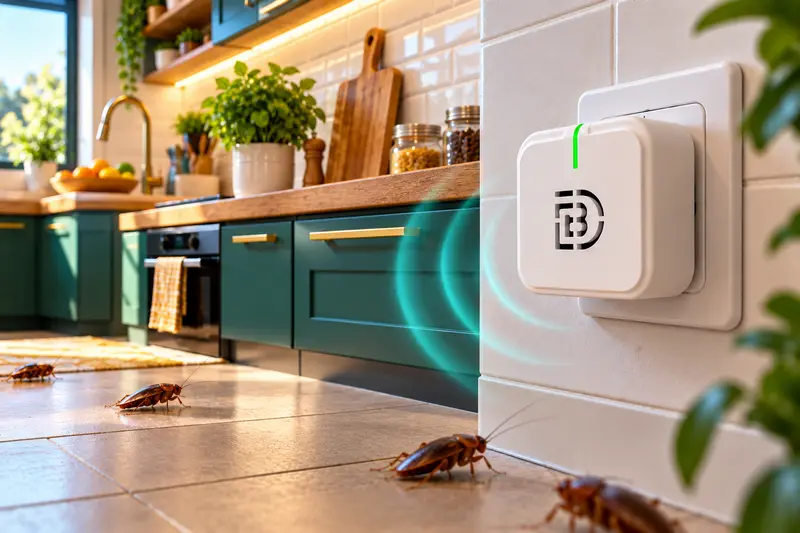
Alongside the methods mentioned above, there are commercial devices designed to repel insects without applying insecticides directly to household surfaces.
These include electronic and electromagnetic pest repellers that plug into an electrical socket.
However, the effectiveness of electromagnetic devices against ants is not supported by strong, broadly applicable scientific evidence. They should therefore be considered, at most, a supplementary measure rather than a replacement for cleaning, sealing entry points, and controlling ant colonies.
How to Get Rid of Ants in the Kitchen
The kitchen is one of the most common places to find ants because it provides easy access to food and water.
To reduce ant activity in your kitchen, follow these simple steps:
- Store sugar, flour, cereals, and other food products in sealed containers.
- Clean countertops and floors daily.
- Avoid leaving dirty dishes in the sink overnight.
- Check seals around windows, doors, and skirting boards.
- Remove food debris from underneath kitchen furniture and appliances.
- Inspect sinks and pipes for small water leaks.
If ants continue to appear despite these precautions, there may be a nearby colony that requires targeted treatment.
How to Prevent Ants From Coming Back Into Your Home
Getting rid of ants is important, but preventing them from returning is essential for long-term household protection.
Effective ant prevention focuses on three key areas: cleanliness, maintenance, and sealing entry points.
Establish a regular cleaning routine, store food properly, and periodically inspect your home for potential ant entry points.
It’s also worth paying extra attention during warmer months, when many ant species become more active.
If you notice new ant trails, take action promptly to prevent the problem from spreading to other rooms.
What Should You Do If You Have an Ant Infestation?
If you notice large numbers of ants, multiple entry points, or persistent ant activity despite taking preventive measures, you may be dealing with an established infestation.
In these situations, it’s advisable to identify the ant species and, where possible, locate the source of the colony.
Some species require specific control strategies, so contacting a professional pest control company may be the most appropriate solution.
Diamond Bell® DB-04 Ant Repeller: Electromagnetic Technology for Your Home
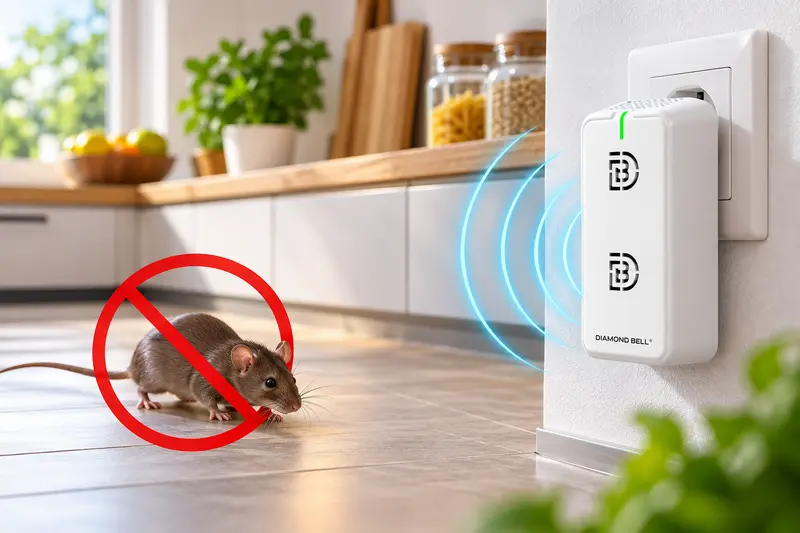
For homeowners looking for alternatives to the frequent application of insecticides, the Diamond Bell® DB-04 Ant Repeller is an electronic device designed to repel ants using DB electromagnetic technology.
One of its main features is its convenient plug-in design, which eliminates the need to spray chemicals or apply pesticides during normal operation.
How Does the Diamond Bell® DB-04 Ant Repeller Work?
According to the manufacturer, this device uses DB electromagnetic technology through your home’s electrical wiring, with the aim of creating an environment that is less favourable to ants.
Simply plug the device into a wall socket. A built-in LED indicator allows you to check its operating status.
Unlike traditional insecticides, it does not require chemicals to be applied to floors, furniture, or kitchen countertops.
However, it’s important to distinguish the manufacturer’s description of how the device works from independently demonstrated effectiveness. No independent testing has been provided here to establish that this particular model reliably repels ants under normal household conditions.
Key Features of the Diamond Bell® DB-04 Ant Repeller
- DB Electromagnetic Technology: Designed to repel ants without using insecticidal substances.
- Chemical-Free and Pesticide-Free Operation: Does not release insecticidal chemicals during normal use.
- Silent and Discreet: According to the supplied specifications, it produces no noticeable sounds or odours.
- No Replacement Parts Required: No cartridges or consumables, with a manufacturer-estimated lifespan of up to 10 years.
- Coverage of Up to 125 m²: Manufacturer-stated coverage per electrical phase.
- Easy Plug-In Installation: Simply connect the device to a wall socket.
- LED Status Indicator: Allows you to check whether the device is operating.
- Designed and Manufactured in Spain.
An Alternative That Doesn’t Require Applying Insecticides
The Diamond Bell® DB-04 is designed for homeowners who prefer devices that don’t require pesticides to be applied directly inside their living spaces.
Its compact design, silent operation, and lack of replacement consumables make it a convenient option for everyday household use.
Although the device is marketed as an ant repeller, electromagnetic technology should not be considered a scientifically proven method for eliminating ant colonies. For more reliable pest control, it’s advisable to continue following the preventive measures outlined in this guide.
Discover the Diamond Bell® DB-04 Ant Repeller and explore its features, technical specifications, and recommended usage instructions.
How to Keep Your Home Protected From Ants
Understanding how to get rid of ants starts with identifying what attracts them, removing sources of food and water, sealing entry points, and using appropriate pest control methods when necessary.
Combining regular cleaning, preventive measures, and home maintenance is the best initial approach to reducing ant activity.
If you prefer to avoid frequently applying insecticides, you can also explore commercial alternatives such as the Diamond Bell® DB-04 Ant Repeller, while keeping in mind the current limitations of scientific evidence supporting electromagnetic pest-repelling technology.
A clean, well-maintained home with properly sealed entry points will always be less attractive to ants.