Published on28 de August de 2026
How to Keep Mice Out of Your Home
Entry Points, Food and Preventive Measures
Finding signs of mice inside your home is a problem that should be addressed as soon as possible. These small rodents can take advantage of gaps and openings to get indoors and find shelter, especially when food, water and quiet places to hide are readily available.
If you want to know how to keep mice out of your home, prevention should focus primarily on three key areas: blocking potential entry points, reducing food sources and making your home a less attractive environment for rodents.
Below, we look at the most important preventive measures and what you can do to reduce the chances of mice entering or settling in your home.
Why Do Mice Enter Homes?
Mice are essentially looking for the same things as many other animals: food, water, shelter and favorable conditions for survival.
A home can provide all of these, particularly at certain times of the year.
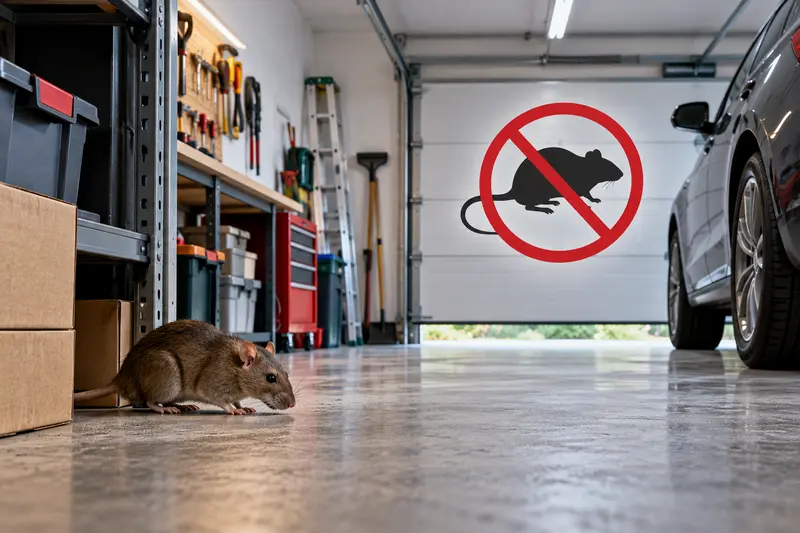
Kitchens, pantries, garages, suspended ceilings, basements, storage rooms and areas close to water installations are just some of the places where mice may find food or shelter.
Their small size also allows them to take advantage of openings that may seem insignificant at first glance.
For this reason, keeping mice out of your home is not just about taking action once you have already seen them. Effective prevention starts by reducing opportunities for mice to enter and find shelter in the first place.
- Find and Block Potential Entry Points
The first step is to determine how mice might be getting inside.
Inspect both the interior and exterior of your home, paying particular attention to small gaps and openings that connect indoor spaces with the outside.
Check areas such as:
- Gaps around pipes and utility lines.
- Cracks and damaged areas in walls.
- Gaps around doors and windows.
- Ventilation grilles and ducts.
- Garages, basements and storage rooms.
- Areas where walls meet the roof.
- Openings around cables and utility installations.
- Spaces behind kitchen cabinets and appliances.
When you find an opening that could provide an entry point, use a suitable sealing solution for the location and surrounding materials.
Remember to inspect these areas periodically. A deteriorated repair or a new crack can create another potential route into your home.
- Avoid Leaving Food Accessible
One of the most important ways to prevent mice in your home is to limit their access to food.
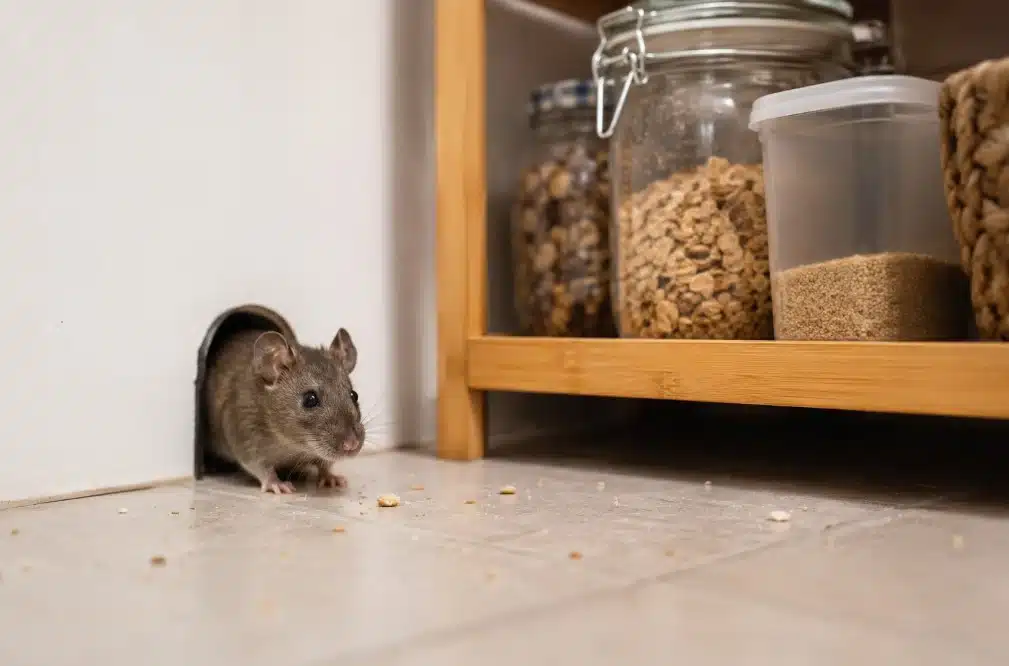
You do not need to leave a full plate of food out to attract rodents. Crumbs, spilled cereal, food debris behind an appliance or a poorly sealed bag of pet food can all provide an accessible food source.
Products such as rice, pasta, cereal, nuts, seeds and flour should ideally be stored in properly sealed containers.
It is also important to clean surfaces after preparing food and regularly inspect less accessible areas of the kitchen.
Pay particular attention to:
- Underneath and behind the refrigerator.
- Under furniture and cabinets.
- Pantries.
- Drawers used to store food.
- Pet feeding areas.
- Places where pet food is stored.
The fewer food sources rodents can find, the less attractive your home will be to them.
- Manage Garbage and Household Waste
Garbage bins can provide food for rodents and other pests.
Whenever possible, use bins with secure lids and avoid leaving bags of waste for long periods, particularly when they contain organic or food waste.
The area around the garbage bin should also be cleaned regularly to remove spills, food debris and odors.
This is particularly important in kitchens, patios, garages and outdoor areas close to the house.
- Don’t Forget About Pet Food
Food intended for dogs, cats and other pets can also attract rodents.
Open bags should be stored properly, preferably inside sturdy, sealed containers.
It is also advisable to remove leftover food that remains in pet bowls for extended periods, particularly overnight or in areas of the home with little activity.
The aim is not simply to keep your home clean, but to eliminate easily accessible food sources that mice could find.
- Reduce Potential Hiding Places
Mice prefer quiet, protected areas where they can hide.
Stacks of boxes, paper, cardboard and belongings that have remained undisturbed for years can provide numerous hiding places.
Keeping storage rooms, garages, utility areas and rarely used rooms organized makes it easier both to prevent rodents and to spot early signs of activity.
Outside the home, it is also advisable to manage piles of materials, excessive vegetation close to the building and other objects or areas that could provide shelter near potential entry points.
- Check Garages, Basements and Storage Areas
Mice do not always enter a home directly through the kitchen.
In properties with garages, basements or storage rooms, these spaces can become the first point of entry before rodents move into other areas of the building.
Regularly inspect corners, shelving and areas behind boxes or stored belongings.
Garage doors and other exterior closures should also be checked to ensure there are no significant gaps along the bottom or sides.
- Look for Signs of Mice Before the Problem Gets Worse
Detecting mice early makes it easier to take action before the problem spreads.
Some common signs that may indicate rodent activity include:
- Small droppings.
- Gnawed food packaging.
- Gnaw marks.
- Noises at night.
- Damaged materials or materials being used for nesting.
- Unusual odors in enclosed spaces.
- Signs of activity behind furniture or appliances.
Finding one of these signs does not necessarily reveal the extent of the problem, but it is a good reason to carry out a more thorough inspection.
- What Should You Do If You Already Have Mice in Your Home?
Preventive measures are essential, but the situation is different when there is clear evidence of an active mouse infestation.
In this case, it is important to identify potential entry points, remove accessible food sources and consider appropriate control methods.
If mice keep returning, there appear to be multiple rodents or you cannot determine how they are getting inside, it may be necessary to contact a professional pest control service.
Simply dealing with the mice you can see without addressing their entry points may allow the problem to return.
Can Ultrasonic Repellents Help Prevent Mice?
In addition to physical preventive measures, electronic ultrasonic repellents are available as products designed to deter certain types of pests.
These devices emit ultrasonic signals and have the advantage of not requiring the application of insecticides, poisons or other chemical products.
They should be considered a complementary measure, and the manufacturer’s instructions and specifications should always be followed.
Ultrasonic repellents should not replace essential preventive measures such as sealing entry points, storing food correctly or seeking professional assistance when dealing with an infestation that requires specialist treatment.
Diamond Bell® DB-06: Ultrasonic Repellent for Large Areas
For those looking to complement preventive measures with an electronic device, one option is the Diamond Bell® DB-06 Ultrasonic Repellent, designed to deter rats, mice, cockroaches, squirrels and bats using ultrasonic technology.
The device is designed to operate without chemicals or pesticides and, according to the product specifications, is suitable for homes with children and pets.
Its main features include:
- Advanced DB ultrasonic technology: designed to deter rats, mice, cockroaches, squirrels and bats.
- Chemical-free: no insecticides or pesticides are required for operation.
- Quiet and discreet operation: designed to operate without producing perceptible sounds or odors.
- No replacement parts required: estimated service life of up to 10 years.
- Coverage of up to 550 m²: a professional model suitable for large areas, homes, offices, warehouses, industrial premises and hospitality businesses.
- Easy installation: simply plugs directly into a wall outlet.
- LED indicator: allows you to check the operating status of the device.
- Designed and manufactured in Spain.
A Complementary Measure to Help Prevent Pests
When it comes to keeping mice out of your home, the most comprehensive strategy starts by preventing them from getting inside in the first place: seal potential entry points, store food properly, manage household waste and reduce potential hiding places.
As a complement to these measures, the Diamond Bell® DB-06 provides an ultrasonic option for those looking for a continuously operating, chemical-free electronic system.
With coverage of up to 550 m² according to its product specifications, it may be particularly suitable for larger spaces where an electronic device is being considered as an additional preventive measure against mice and other pests.
However, if you are already dealing with a significant infestation or the problem continues despite taking preventive measures, it is advisable to identify the underlying cause and consider contacting a professional pest control service.