Published on20 de October de 2026
Rat Repellent for Garages
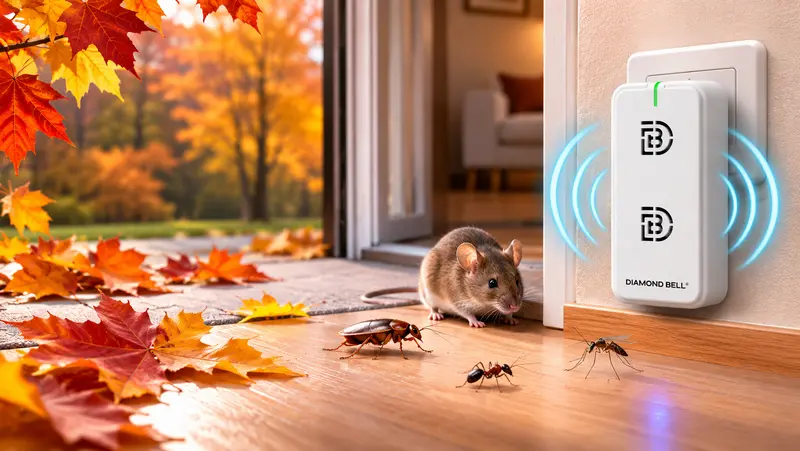
Choosing a good rat repellent for garages is essential to keeping these spaces protected against rodents, especially during autumn and winter, when rats seek shelter in warm, protected areas. Ultrasonic devices, such as the Diamond Bell® DB-06, offer a pesticide-free alternative that can be used alongside other preventive measures. For more comprehensive protection, it is advisable to keep your garage clean, remove potential food sources, and seal any entry points that rats and mice could use to get inside.
How to Repel Rats from Your Garage and Prevent Them from Returning
Finding rats in your garage is more common than you might think, especially during autumn and winter. These rodents look for shelter in places protected from the cold, with little human activity and access to food or materials they can use to build nests.
If you have noticed droppings, unusual noises, or chewed cables, you are probably looking for an effective rat repellent for your garage to help protect the space.
In this guide, you will discover why rats enter garages, how to identify signs of their presence, which methods can help deter them, and what preventive measures you can take to keep them from coming back.
Why Do Rats Enter Garages?
Garages provide conditions that can attract rodents, particularly when they are connected to gardens, basements, storage areas, or waste disposal facilities.
Some of the main reasons include:
- Shelter from the cold: During autumn and winter, rats seek places protected from low temperatures.
- Access to food: Rubbish, pet food, and food scraps can attract rodents.
- Dark, quiet spaces: Areas behind shelves, boxes, and stored items provide convenient hiding places.
- Entry points from outside: Cracks, drains, and gaps beneath doors can allow rats to enter.
- Nesting materials: Cardboard, fabrics, and other stored materials can be used to build nests.
For these reasons, private, shared, and industrial garages can become attractive shelters for rats and mice.
How to Tell If You Have Rats in Your Garage
Before choosing a rat repellent, it is important to check whether rodents are actually present.
1. Rat Droppings
One of the most common signs is dark droppings, usually found near walls, in corners, or around storage areas.
2. Chewed Cables and Materials
Rats can gnaw through electrical cables, plastic, cardboard, and other materials. This is particularly concerning in garages containing vehicles or electrical installations.
3. Noises at Night
Scratching sounds, small knocks, or movement behind walls may indicate rodent activity.
4. Unpleasant Odours
The accumulation of urine and droppings can produce persistent unpleasant smells, particularly in poorly ventilated spaces.
5. Footprints and Signs of Movement
Grease marks along walls, footprints, and displaced materials may also indicate the presence of rats.
Important: If you find rodent droppings, avoid sweeping or vacuuming them while dry. Use appropriate protective equipment and wet-cleaning methods to reduce the risk of exposure to infectious agents.
What Is the Best Rat Repellent for Garages?
Several methods can help prevent and control rodent activity. The most suitable option will depend on the size of your garage, the severity of the problem, and the entry points rats are using.
Ultrasonic Rat Repellents
Ultrasonic rat repellents are electronic devices that emit high-frequency sounds, generally beyond the range of human hearing.
They are marketed as a pesticide-free alternative designed to discourage certain animals from remaining in a particular area.
Their typical features include:
- Plug-in electrical operation.
- No poisonous bait required.
- Easy installation.
- Continuous operation while connected to a power source.
- The option to use them as an additional preventive measure.
If you are looking for an ultrasonic rat repellent for your garage, it is advisable to combine it with regular cleaning, sealing entry points, and monitoring rodent activity.
Natural Rat Repellents
Some home remedies use strong scents, such as peppermint or certain essential oils.
Although these smells may be unpleasant to some animals, their effectiveness as a rat control method is limited. They should not replace more reliable preventive measures.
Rat Traps
Suitable traps, when correctly positioned and regularly checked, can help control an existing rodent infestation.
Always follow the manufacturer’s instructions and take particular care when children or pets are present.
Sealing Entry Points and Prevention
One of the most important steps in preventing rats from returning is blocking their access points.
Inspect doors, pipes, cracks, ventilation grilles, and any other openings connecting the garage to the outside.
How to Get Rid of Rats in Your Garage: Step-by-Step Guide
If you want to reduce rodent activity in your garage, follow these recommendations.
Step 1. Identify Entry Points
Pay particular attention to:
- The bottom of the garage door.
- Gaps between walls and floors.
- Openings around pipes and cables.
- Drains and ducts.
- Ventilation grilles.
Seal openings using rodent-resistant materials without blocking essential ventilation.
Step 2. Remove Potential Food Sources
Do not leave rubbish bags open, food scraps exposed, or pet food unprotected.
If you store animal feed or seeds, keep them in sturdy, tightly sealed containers.
Step 3. Keep Your Garage Tidy
Avoid accumulating cardboard boxes, bags, and other materials directly on the floor.
Keeping the area organised makes it easier to identify signs of rodent activity and reduces potential hiding places.
Step 4. Consider Rodent Control and Prevention Methods
Depending on the situation, you may use appropriate traps, contact professional pest control services, or consider electronic devices as a supplementary measure.
If you decide to install an ultrasonic rat repellent, remember that high-frequency sound waves can be blocked by walls, furniture, vehicles, and other obstacles.
Step 5. Monitor for Further Signs of Activity
Over the following days, check for new droppings, damage, or other evidence of rodent activity.
If the problem persists, it is advisable to contact a professional pest control company.
Rat Repellents for Shared Garages: What Should You Consider?
Shared garages present additional challenges due to their larger size, multiple access points, and the presence of storage rooms, vehicles, and communal areas.
In these spaces, it is particularly important to:
- Inspect external entry points.
- Keep communal areas clean.
- Check utility rooms and storage areas.
- Prevent waste accumulation.
- Coordinate preventive measures with the property owners’ association or building management.
When an infestation is present, a professional inspection is recommended to identify the source of the problem and establish an appropriate rodent control plan.
Where Should You Place an Ultrasonic Rat Repellent in Your Garage?
If you decide to use an ultrasonic device, its placement can affect how sound waves travel through the space.
For proper installation:
- Choose a power outlet in an open area of the garage.
- Avoid placing the device behind shelves, boxes, or vehicles.
- Follow the manufacturer’s recommendations regarding installation height and orientation.
- Make sure the device is not exposed to moisture or environmental conditions that are unsuitable for its operation.
- Continue implementing preventive measures and regularly check for signs of rodent activity.
Frequently Asked Questions About Rat Repellents for Garages
What Is the Most Effective Way to Keep Rats Out of a Garage?
The most reliable approach combines sealing entry points, removing food sources and nesting areas, and regularly monitoring rodent activity. A quality rat repellent, such as the Diamond Bell® DB-06, can also be considered as a complementary measure, alongside traps or professional pest control services when necessary.
How Can I Prevent Rats from Entering My Garage?
It is essential to inspect doors, seal cracks, protect drains, keep the space clean, and store food and waste properly.
Do Rats Enter Garages During Winter?
Yes. During colder months, rats may seek shelter in garages, basements, storage areas, and other protected spaces.
What Should I Do If There Are Rats in a Shared Garage?
The best approach is to inform the property manager or building management so that an inspection can be arranged and appropriate rodent control measures can be implemented in communal areas.
Diamond Bell® DB-06: Ultrasonic Rat Repellent for Garages and Large Spaces
If you are looking for a pesticide-free electronic device to complement your pest prevention measures, discover the Diamond Bell® DB-06 Ultrasonic Repellent.
This model uses DB ultrasonic technology and is designed for large indoor spaces, including garages, warehouses, offices, industrial facilities, and hospitality establishments.
Ultrasonic Technology for Different Types of Pests
The Diamond Bell® DB-06 is designed to deter:
- Rats.
- Mice.
- Cockroaches.
- Squirrels.
- Bats.
It works by emitting ultrasonic sound waves without requiring pesticides or chemical substances during operation.
Diamond Bell® DB-06 Features
Advanced DB Ultrasonic Technology
The device incorporates an ultrasonic emission system designed to deter different animals without relying on toxic substances.
No Pesticides or Chemicals
It operates without poisonous bait, sprays, or chemical substances. However, the manufacturer’s safety instructions should always be followed, particularly in households with pets that may be sensitive to ultrasonic frequencies.
Discreet Operation
Designed to operate without odours or sounds audible to most people, although individual sound perception may vary.
No Replacement Parts Required
The device does not require consumables to operate and has a manufacturer-estimated service life of up to 10 years.
Advertised Coverage of Up to 550 m²
With advertised coverage of up to 550 m², the device is intended for large spaces such as garages, industrial facilities, warehouses, and offices.
Actual effective coverage may vary depending on the layout of the space, physical obstacles, and installation conditions.
Easy Installation
The device plugs directly into a wall socket, with no complicated installation required.
LED Indicator
It features an LED indicator that allows users to check the device’s operating status.
Designed and Manufactured in Spain
According to information provided by the brand, the Diamond Bell® DB-06 is designed and manufactured in Spain.
Why Consider the Diamond Bell® DB-06 for Your Garage?
For those who prefer to avoid pesticides, the Diamond Bell® DB-06 offers a plug-in electronic solution that requires no replacement consumables and is designed for large indoor areas.
It can be considered as part of a broader pest prevention strategy that includes regular cleaning, removing potential nesting sites, sealing entry points, and monitoring rodent activity.
Discover the Diamond Bell® DB-06 Ultrasonic Repellent
Explore its features, technical specifications, and installation recommendations to determine whether it is suitable for your garage.
Shop the Diamond Bell® DB-06 in our online store.
How to Protect Your Garage from Rats
Finding a good rat repellent for your garage is only one part of the solution. To reduce the risk of rats entering or settling in the space, the most important steps are removing food sources, sealing entry points, and maintaining regular monitoring.
Ultrasonic devices, such as the Diamond Bell® DB-06, can be considered a useful complementary measure.