Published on20 de October de 2026
Rat Repellent for Garages
Choosing the right rat repellent for garages is an important step in protecting your space from rodents, especially during autumn and winter, when rats seek shelter in warm, protected areas. Ultrasonic devices, such as the Diamond Bell® DB-06, offer a pesticide-free option that can be used alongside other preventive measures. For more comprehensive protection, it is essential to keep your garage clean, remove potential food sources, and seal any entry points that rats and mice could use to get inside.
How to Keep Rats Away and Prevent Them from Coming Back
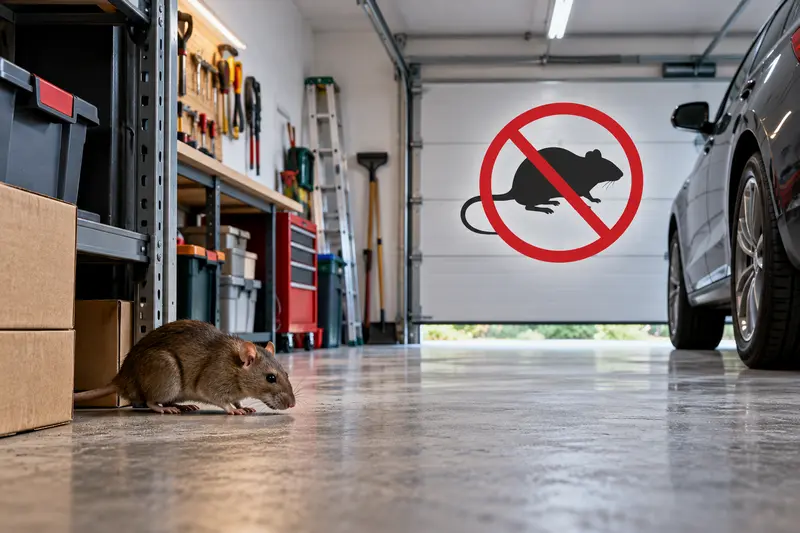
Finding rats in your garage is more common than you might think, particularly during the colder months. These rodents look for sheltered places away from the cold, with minimal human activity and access to food or materials they can use to build nests.
If you have noticed droppings, unusual noises, or chewed electrical cables, you may be looking for an effective rat repellent for your garage to help protect your property.
In this guide, you will discover why rats enter garages, how to identify signs of rodent activity, which methods can help deter them, and what steps you can take to prevent them from returning.
Why Do Rats Enter Garages?
Garages provide several conditions that can attract rodents, especially when connected to gardens, basements, storage areas, or waste disposal facilities.
The most common reasons include:
- Shelter from the cold: During autumn and winter, rats seek protected spaces where they can escape low temperatures.
- Access to food: Rubbish, pet food, and food scraps can attract rodents.
- Dark, quiet spaces: Areas behind shelving, boxes, and stored belongings provide convenient hiding places.
- Entry points from outside: Cracks, drains, and gaps beneath doors can allow rats to enter.
- Nesting materials: Cardboard, fabrics, and other stored materials can be used to build nests.
For these reasons, private garages, shared parking facilities, and industrial garages can all become attractive shelters for rats and mice.
How to Tell If You Have Rats in Your Garage
Before choosing a rat repellent, it is important to determine whether rodents are actually present.
- Rat Droppings
One of the most common signs is the presence of dark droppings, often found near walls, corners, or storage areas.
- Chewed Cables and Materials
Rats can gnaw through electrical wiring, plastics, cardboard, and other materials. This is particularly concerning in garages containing vehicles or electrical installations.
- Noises at Night
Scratching, tapping, or movement behind walls may indicate rodent activity.
- Unpleasant Odours
The accumulation of urine and droppings can cause persistent odours, particularly in poorly ventilated areas.
- Footprints and Signs of Movement
Grease marks along walls, footprints, and displaced materials may also indicate the presence of rats.
Important: If you discover rodent droppings, avoid sweeping or vacuuming them while dry. Use appropriate protective equipment and wet-cleaning methods to reduce the risk of exposure to infectious agents.
What Is the Best Rat Repellent for a Garage?
Several methods can help prevent and control rodent activity. The most suitable option depends on the size of your garage, the severity of the problem, and the points through which rats are entering.
Ultrasonic Rat Repellents
Ultrasonic rat repellents are electronic devices that emit high-frequency sound waves, generally beyond the normal range of human hearing.
They are marketed as a pesticide-free alternative designed to discourage certain animals from remaining in a particular area.
Common features include:
- Operation through an electrical connection.
- No poisonous bait required.
- Easy installation.
- Continuous operation while connected.
- Potential use as a supplementary preventive measure.
If you are considering an ultrasonic rat repellent for your garage, it is advisable to combine it with cleaning, sealing entry points, and monitoring rodent activity.
Scientific evidence regarding the effectiveness of ultrasonic devices against rodents remains inconsistent, so they should not be relied upon as the sole method of pest control.
Natural Rat Repellents
Some home remedies use strong scents, such as peppermint or certain essential oils.
Although these smells may be unpleasant to some animals, their effectiveness for controlling rats is limited. They should not replace more reliable preventive measures.
Rat Traps
Appropriate traps, when correctly positioned and regularly checked, can help control an existing rodent infestation.
Always follow the manufacturer’s instructions and take particular care when children or pets are present.
Sealing Entry Points and Prevention
One of the most important ways to prevent rats from returning is to block their access points.
Inspect doors, pipes, cracks, ventilation grilles, and any openings connecting the garage to the outside.
How to Keep Rats Out of Your Garage: Step-by-Step Guide
If you want to reduce rodent activity in your garage, follow these recommendations.
Step 1. Identify Entry Points
Pay particular attention to:
- Gaps beneath the garage door.
- Joints between walls and floors.
- Openings around pipes and cables.
- Drains and service ducts.
- Ventilation grilles.
Seal openings using rodent-resistant materials without obstructing essential ventilation.
Step 2. Remove Potential Food Sources
Do not leave rubbish bags open, food scraps exposed, or pet food unprotected.
If you store animal feed or seeds, keep them in sturdy, tightly sealed containers.
Step 3. Keep Your Garage Organised
Avoid accumulating cardboard boxes, bags, and other materials directly on the floor.
An organised garage makes it easier to identify signs of rodent activity and reduces potential hiding places.
Step 4. Consider Pest Control and Prevention Methods
Depending on the situation, you may use suitable traps, contact professional pest control services, or consider electronic devices as an additional preventive measure.
If you choose an ultrasonic repellent, remember that high-frequency sound waves can be obstructed by walls, furniture, vehicles, and other objects.
Step 5. Monitor for Further Activity
Over the following days, check for new droppings, damage, or other signs of rodent activity.
If the problem persists, contact a professional pest control company.
Rat Repellents for Shared Garages: What Should You Consider?
Shared garages and communal parking facilities present additional challenges because of their size, multiple entrances, storage rooms, vehicles, and common areas.
In these environments, it is particularly important to:
- Inspect external access points.
- Keep communal areas clean.
- Check utility rooms and storage facilities.
- Prevent waste accumulation.
- Coordinate pest prevention measures with property management.
When an infestation is present, a professional inspection is recommended to identify its source and establish an appropriate pest control plan.
Where Should You Place an Ultrasonic Rat Repellent in Your Garage?
If you decide to use an ultrasonic device, its location can affect how sound waves travel through the space.
For proper installation:
- Choose a wall socket in an open area of the garage.
- Avoid positioning the device behind shelving, boxes, or vehicles.
- Follow the manufacturer’s recommendations regarding installation height and orientation.
- Ensure the device is not exposed to moisture or environmental conditions outside its operating specifications.
- Continue preventive measures and regularly check for signs of rodent activity.
Keep in mind that an advertised coverage area does not guarantee that ultrasonic waves will reach every corner or eliminate an existing infestation.
Frequently Asked Questions About Rat Repellents for Garages
What Is the Most Effective Way to Keep Rats Out of a Garage?
The most reliable approach combines sealing entry points, removing food sources and hiding places, monitoring rodent activity, and using appropriate traps or professional pest control services when necessary.
Do Ultrasonic Rat Repellents Really Work?
Their effectiveness has not been consistently demonstrated under real-world conditions. Although they are marketed as deterrent devices, they should not replace established rodent control methods.
How Can I Prevent Rats from Entering My Garage?
Inspect doors, seal cracks and gaps, protect drains, maintain cleanliness, and store food and waste securely.
Do Rats Enter Garages During Winter?
Yes. During colder months, rats may seek shelter in garages, basements, storage buildings, and other protected spaces.
What Should I Do If There Are Rats in a Shared Garage?
Report the problem to the property manager or building administrator so that an inspection and coordinated pest control measures can be arranged.
Diamond Bell® DB-06: Ultrasonic Pest Repellent for Garages and Large Spaces
If you are looking for a pesticide-free electronic device to complement your pest prevention measures, discover the Diamond Bell® DB-06 Ultrasonic Pest Repellent.
This model uses DB ultrasonic technology and is designed for large indoor areas, including garages, warehouses, offices, industrial facilities, and hospitality premises.
Ultrasonic Technology for Different Types of Pests
According to the manufacturer’s specifications, the Diamond Bell® DB-06 is designed to deter:
- Rats.
- Mice.
- Cockroaches.
- Squirrels.
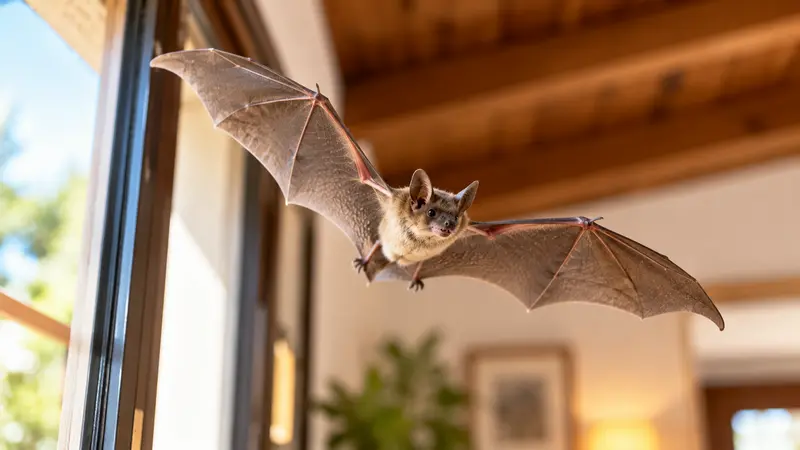
- Bats.
The device operates by emitting ultrasonic sound waves without requiring pesticides or chemical substances during operation.
Effectiveness may vary depending on the species, environmental conditions, and installation. The device should not be considered a guaranteed solution for eliminating pest infestations.
Key Features of the Diamond Bell® DB-06
Advanced DB Ultrasonic Technology
Features an ultrasonic emission system designed to discourage different animals without relying on toxic substances.
Pesticide-Free and Chemical-Free Operation
Operates without poisonous bait, sprays, or chemical treatments. However, the manufacturer’s safety instructions should always be followed, especially in homes with pets that may be sensitive to ultrasonic frequencies.
Quiet and Discreet Operation
Designed to operate without producing odours or sounds audible to most people, although individual hearing sensitivity may vary.
No Replacement Parts or Refills Required
Does not require consumables and has a manufacturer-estimated service life of up to 10 years.
Advertised Coverage of Up to 550 m²
According to the manufacturer, the device offers coverage of up to 550 m², making it suitable for consideration in large spaces such as garages, warehouses, industrial facilities, and offices.
Actual coverage may vary depending on room layout, obstacles, and installation conditions.
Easy Installation
Simply plugs into a wall socket, with no complicated installation required.
LED Status Indicator
Features an LED indicator that allows users to check the device’s operating status.
Designed and Manufactured in Spain
According to the brand, the Diamond Bell® DB-06 is designed and manufactured in Spain.
Why Consider the Diamond Bell® DB-06 for Your Garage?
For those looking to avoid pesticides, the Diamond Bell® DB-06 offers a plug-in electronic design, requires no replacement consumables, and is intended for use in large indoor spaces.
It can be considered as a supplementary measure within a broader pest prevention strategy that includes regular cleaning, removing potential nesting sites, sealing entry points, and monitoring rodent activity.
Discover the Diamond Bell® DB-06 Ultrasonic Pest Repellent
Explore its features, technical specifications, and installation recommendations to determine whether it is suitable for your garage.
Shop the Diamond Bell® DB-06 in Our Online Store.
How to Protect Your Garage from Rats
Choosing a suitable rat repellent for your garage is only one part of an effective rodent prevention strategy. To reduce the risk of rats entering or settling in your garage, it is essential to remove food sources, seal potential entry points, and regularly monitor for signs of activity.
Ultrasonic devices such as the Diamond Bell® DB-06 may be considered as an additional preventive measure, provided their limitations are understood. They should not replace appropriate pest control methods when an infestation is already present.